Applied Crime Scene & Lab Analysis
Bachelor of Vocation (BVoc) in Forensic Science
A specialized, job-oriented program focused on scientific investigation techniques and legal evidence management, bridging the gap between science and law enforcement.
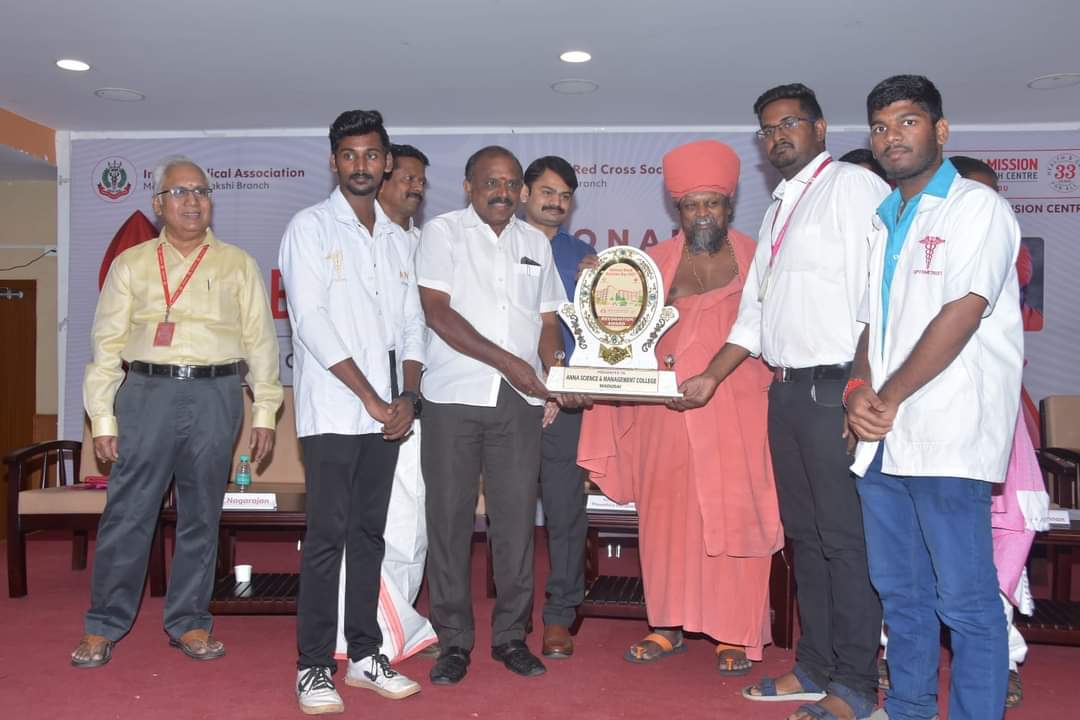
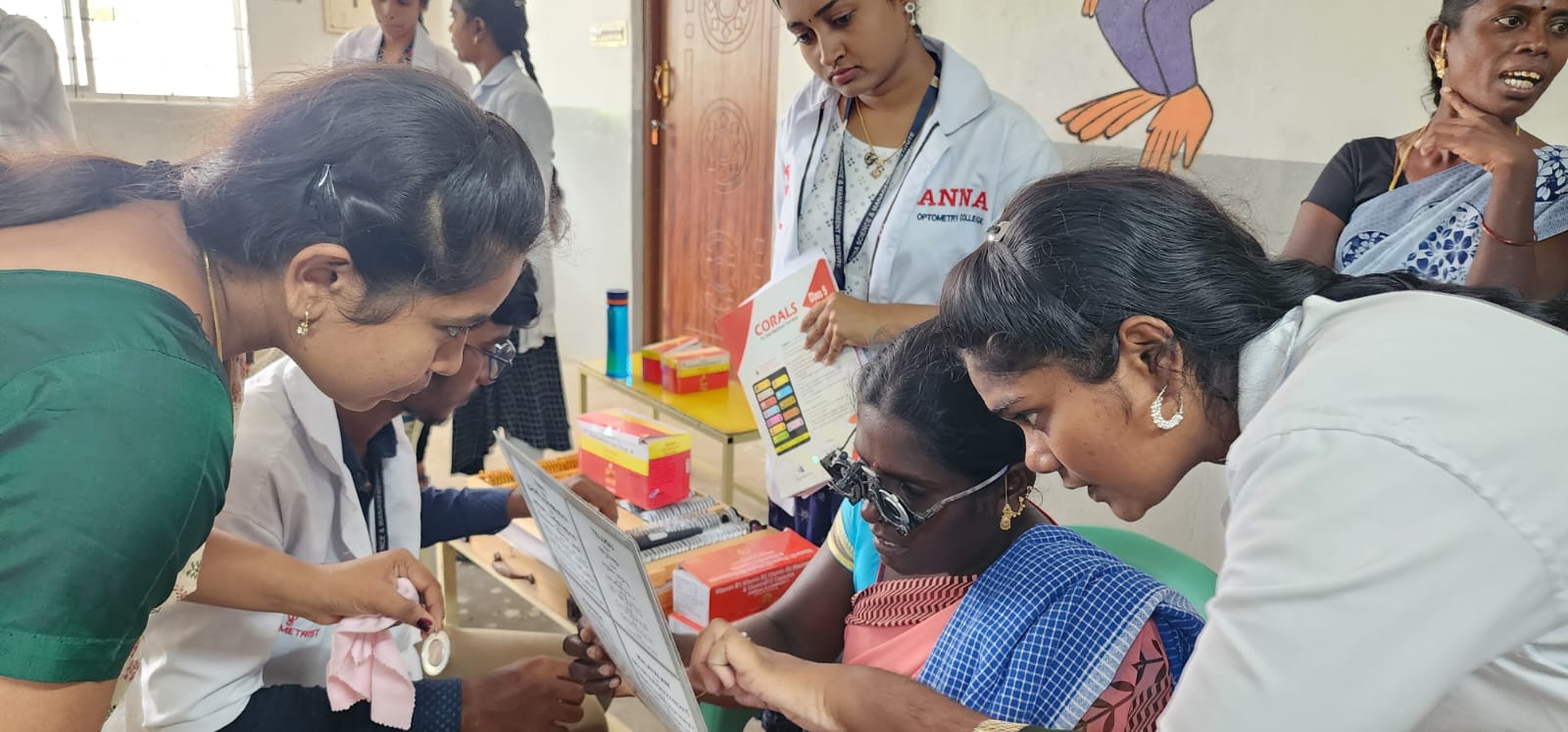
Our Students in Action


Hands-On Training for Justice
Core competencies developed through simulation, practical training, and judicial procedure exposure.
Crime Scene Management
Detailed training in documentation, evidence collection, and reconstruction at mock crime scenes.
Expert Lab Skills
Mastery of serology, toxicology, DNA profiling, and ballistics analysis techniques.
Judicial Procedure
Training in report writing, chain of custody protocol, and courtroom expert witness testimony.
Specialization Tracks
Choose a specialization for advanced career focus during the final year of study.
Chemical & Biological Analysis
- Forensic Toxicology and Drug Analysis.
- Advanced DNA Analysis and Serology.
- Trace Evidence (Fiber, Hair, Paint) Examination.
- Analysis of Questioned Documents.
Digital & Field Forensics
- Cyber Crime Investigation and Data Recovery.
- Mobile and Network Forensics.
- Crime Scene Photography and Mapping.
- Forensic Accounting and Fraud Examination.
Dedicated Skill Development Labs
Training takes place in specialized laboratories mimicking real-world forensic environments.
Mock Crime Scene Setup
Practice setting up perimeters, searching, sketching, and securing evidence in varied scenarios.
DNA & Serology Lab
Hands-on experience with PCR, electrophoresis, and presumptive testing for biological fluids. [Image of PCR machine]
Pattern & Impression Lab
Developing latent fingerprints, analyzing tool marks, and firearms examination techniques.
Cyber Forensics Suite
Utilizing specialized software for imaging, data recovery, and evidence preservation on digital media.
Career Pathways in Investigative Science
Graduates are prepared for technical roles in government and private investigative agencies.
Crime Scene Investigator (CSI) Assistant
Support law enforcement in evidence collection and scene documentation.
Forensic Lab Technician
Conducting physical and chemical analysis of evidence in state or private labs.
Cyber/Digital Forensics Analyst
Working with police departments or IT security firms on data recovery and digital crime.
Private Investigator Support
Technical support for law firms, insurance companies, and fraud investigation agencies.
Career Opportunities & Sector Placement
The vocational structure prepares graduates for immediate employment across government, private, and legal sectors.
Public Sector Roles
- Forensic Lab Assistant: State/Central FSLs (Fingerprint, Photography, Evidence Reception).
- Crime Scene Technician: Support local law enforcement agencies (CSI Unit).
- Customs/Excise Analyst: Handling seized narcotics and banned substances.
Private & Corporate
- Cyber Security Analyst (Forensics): IT companies and cybersecurity firms.
- Document Examiner: Private forensic document analysis labs.
- Insurance Fraud Investigator: Technical support for investigative branches.
Legal & Advanced Tracks
- Legal Support Specialist: Assisting lawyers with technical evidence review.
- Research Assistant: Biomedical and pharmaceutical research labs.
- M.Sc. Forensic Science: Eligibility for direct entry into specialized Master’s programs.
Why BVoc Graduates Excel
Our focus on NSQF-certified skills and judicial procedure ensures graduates not only perform analysis but also understand the legal gravity and presentation of forensic evidence.