Skybound Stewards: The Role of an Air Hostess - Anna College
A career as an air hostess is one of the most admired professions in the aviation industry, combining hospitality, responsibility, and international exposure. Air hostesses, also known as cabin crew, are responsible for creating a safe, comfortable, and memorable experience for passengers on board.
A diploma in air hostess training equips students with the professional skills, aviation knowledge, personality development, and safety expertise required to work confidently in commercial airlines.
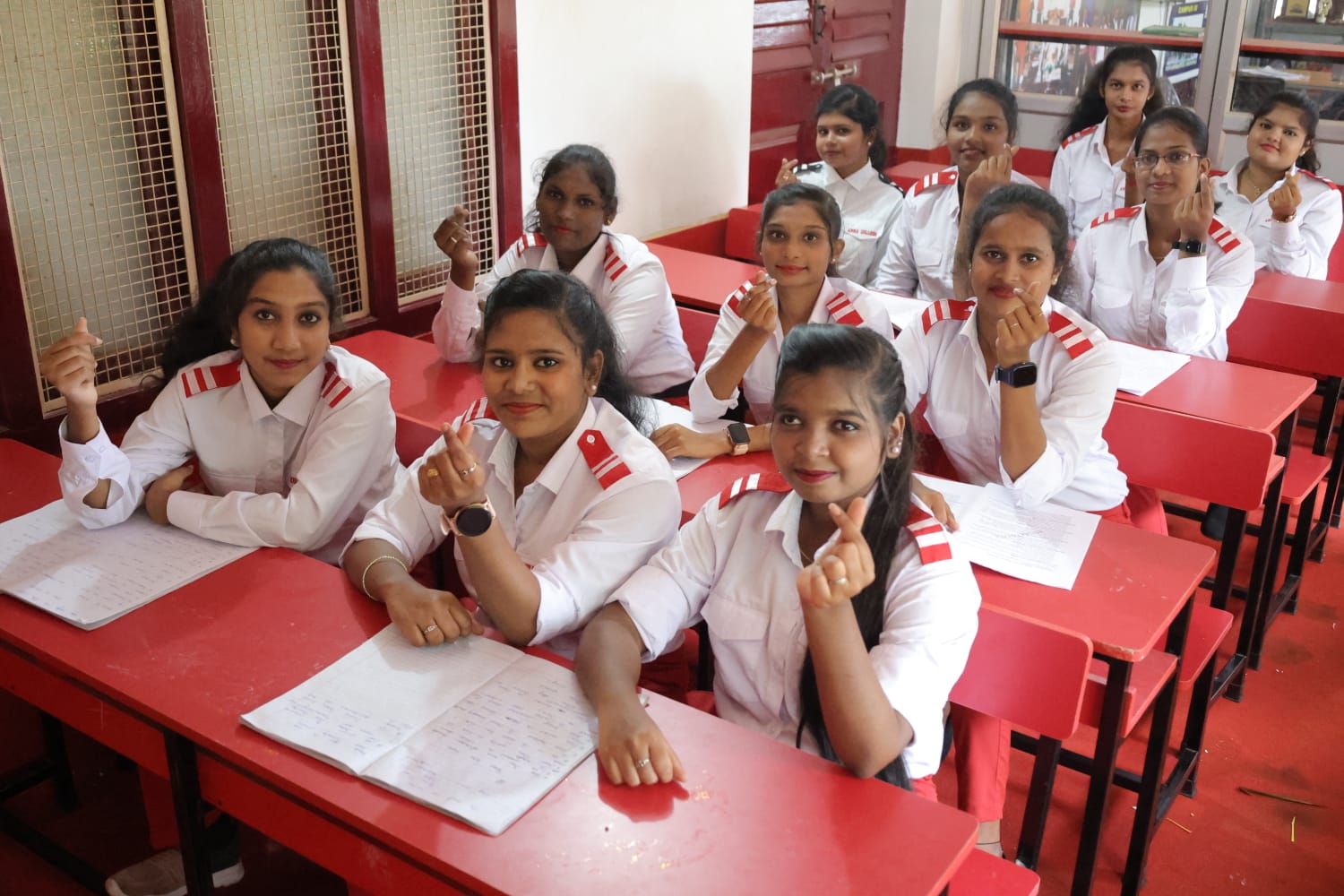
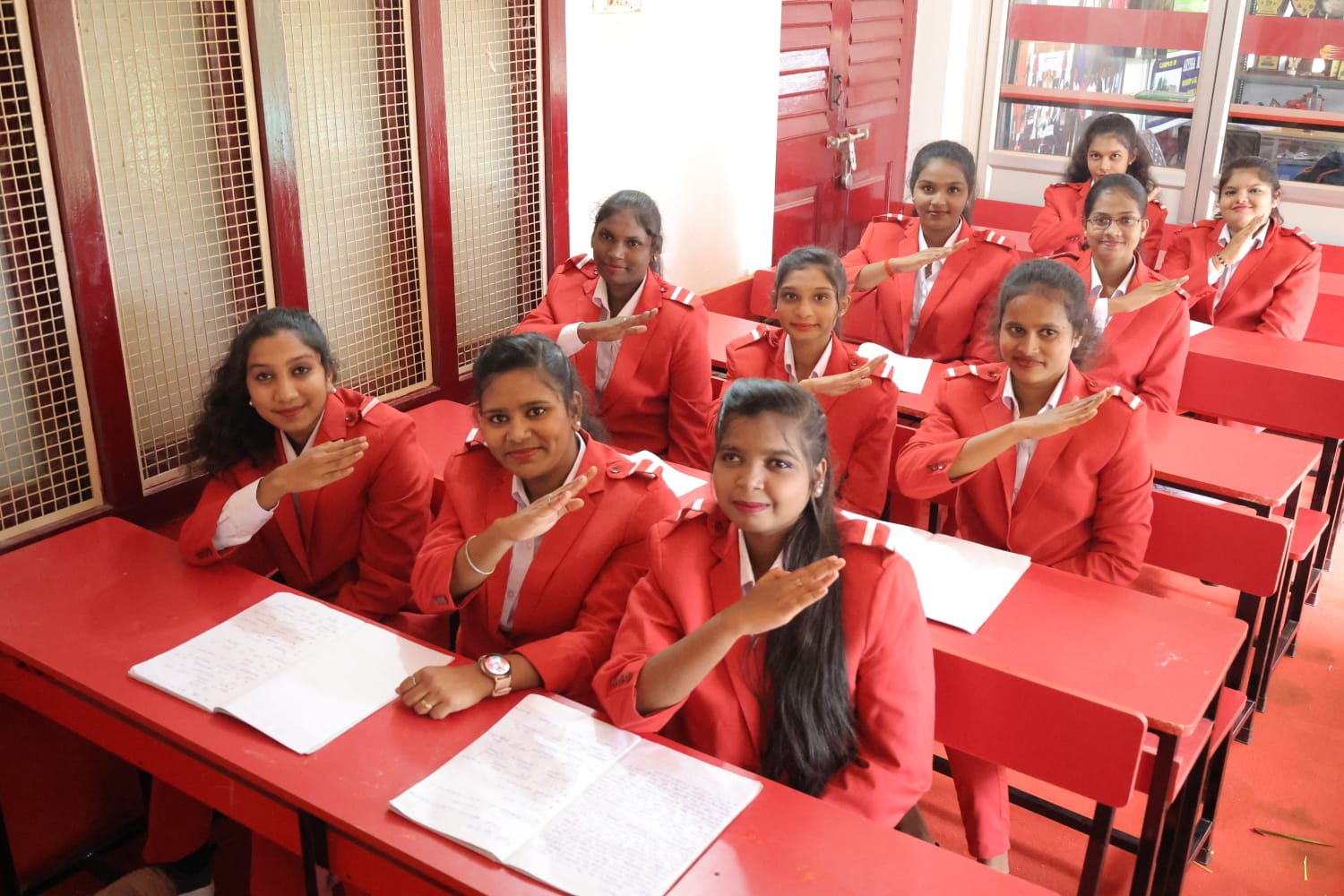
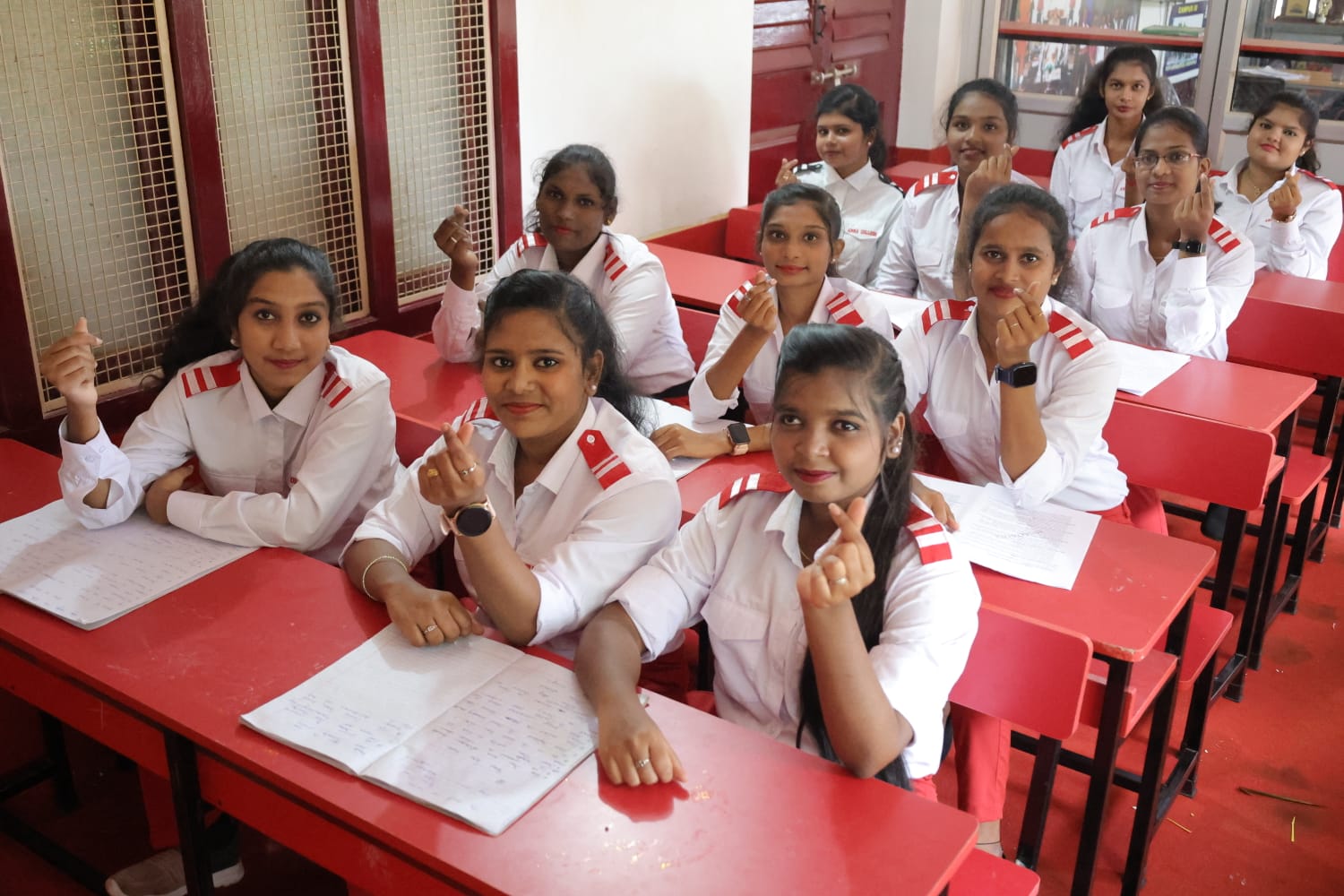
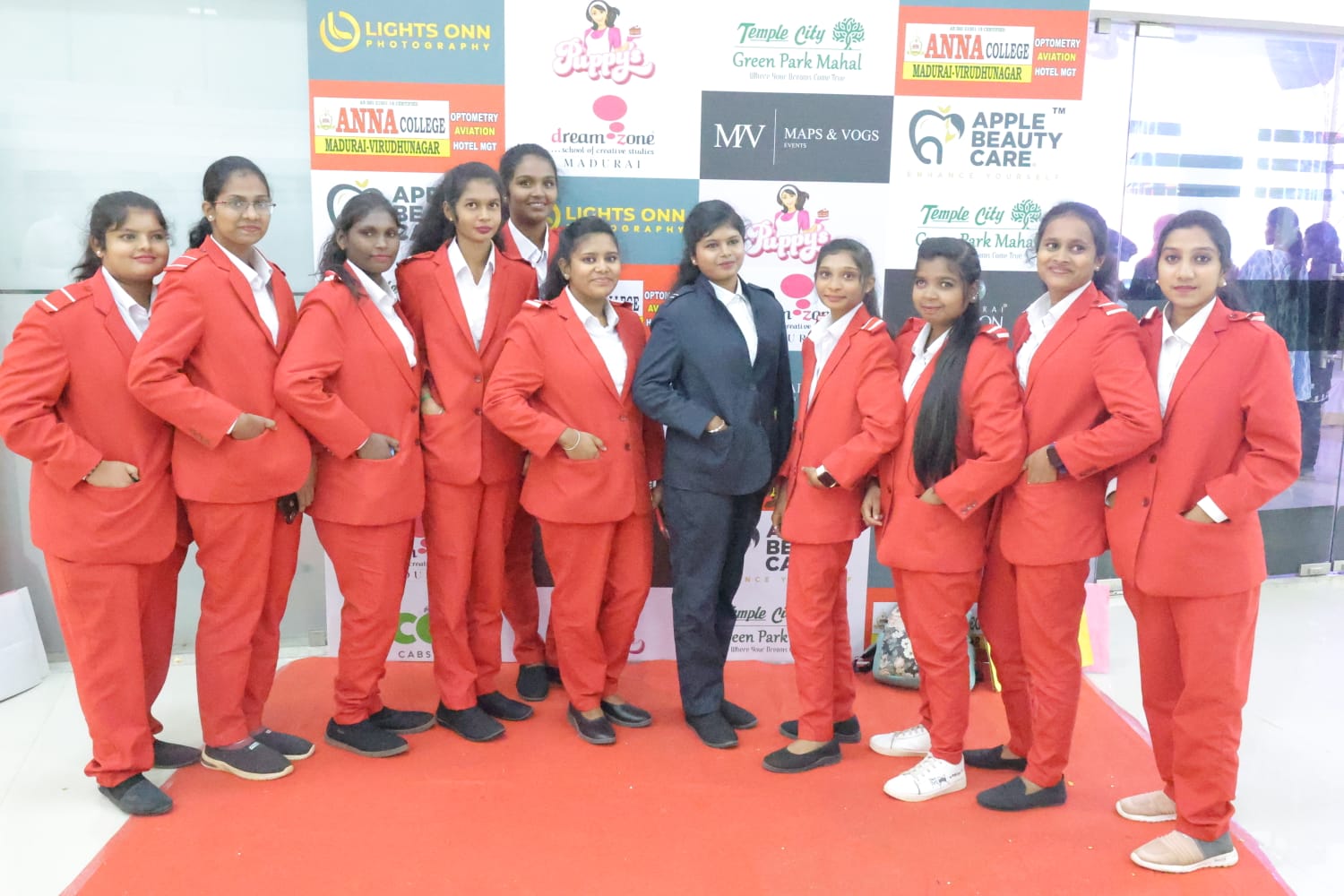
Our Students in Action


Program Overview
The air hostess training program is designed to:
Program Focus Areas
- Develop communication and hospitality skills
- Train students in onboard safety and crisis management
- Provide knowledge of aviation operations and regulations
- Build grooming, professional conduct, and passenger service excellence
- Prepare students for careers with domestic and international airlines
Real Cabin Crew Simulations
Students undergo classroom training, mock drills, simulations, and practical demonstrations to experience real-life cabin crew situations.
Key Learning Modules
A structured training system designed to build world-class cabin crew professionals.
1. Aviation Basics
Students learn the foundational concepts of the aviation industry, including:
- Structure of an aircraft
- Functions of aircraft components
- Airport operations
- Airline terminology and codes
- Cabin crew hierarchy and role responsibilities
- In-flight protocols and procedures
This module helps students understand how airlines function as a global transportation system and how cabin crew fit into airline operations.
2. Customer Service Excellence
Customer service is the heart of cabin crew work. This subject focuses on:
- Communication skills
- Passenger handling techniques
- Service etiquette and hospitality
- Body language and professional presentation
- Handling special requests and VIP passengers
- Ensuring a comfortable and pleasant travel experience
Students learn to manage passengers from varied cultures, age groups, and expectations — while maintaining professionalism.
3. Food & Beverage Handling
As in-flight service is a core component of cabin crew responsibilities, students are trained in:
- Food safety standards
- Beverage service procedures
- Handling special dietary requirements
- Menu planning and cabin service flow
- Hygiene and presentation
- Serving techniques used in commercial airlines
This module ensures that students deliver efficient and high-quality onboard service.
4. Regulatory Compliance
Aviation is one of the most highly regulated industries. Students are trained in:
- International Civil Aviation Organization (ICAO) regulations
- Federal Aviation Administration (FAA) policies
- Airline Standard Operating Procedures
- Security guidelines
- Passenger safety rules
- Legal responsibilities of cabin crew
Cabin crew must know and follow national and international aviation standards at all times to ensure passenger safety and regulatory compliance.
5. Flight Safety & Emergency Training
This module teaches students to respond to unexpected situations with calmness and authority. Training includes:
- Aircraft equipment familiarization
- Identifying safety risks
- Passenger evacuation procedures
- Cabin depressurization response
- CPR & basic first-aid
- Firefighting training
- Handling in-flight medical emergencies
- Water ditching and life raft use
Through simulations and mock drills, students gain real-time experience in handling emergency situations effectively.
6. Cultural Awareness & Soft Skills
As cabin crew serve passengers from around the world, this module focuses on:
- Intercultural communication
- Understanding global etiquette
- Diplomacy and conflict resolution
- Emotional intelligence
- Stress & time management
- Personality development
This ensures students can build positive passenger relationships while working in a multicultural environment.
7. Grooming & Professional Etiquette
Cabin crew represent the airline brand, so grooming standards are crucial. Students learn:
- Personal hygiene and grooming
- Professional dress codes
- Body posture and presentation
- Confidence-building techniques
- Public speaking
- Corporate conduct and attitude
This module helps students embody the polished, confident, and service-oriented professionalism expected in aviation hospitality.
Practical Training Components
Students participate in:
Cabin crew mock aircraft simulations
Practice real aircraft cabin layouts and service environments.
Safety Drills
Emergency evacuation, equipment usage & safety protocols.
Communication and customer handling roleplays
Passenger interaction, conflict resolution & service communication.
Food & beverage service demonstrations
Airline-standard serving methods, hygiene & menu service flow.
Fire & medical safety workshops
CPR, first-aid, firefighting & managing onboard medical issues.
Live grooming assessments
Real-time evaluation of appearance, posture & professional etiquette.
These hands-on sessions help students apply theory to real-world airline scenarios.
Career Opportunities
Air hostess training opens the door to exciting careers across the aviation and hospitality sectors.
Graduates of air hostess training can work in:
- Domestic and international airlines
- Corporate charters
- Airport ground service companies
- Hospitality and luxury travel sectors
Cabin Crew / Flight Attendant
Deliver onboard service, safety protocols & passenger care.
In-Flight Service Executive
Ensure food, beverage & comfort services meet airline standards.
Guest Relations Officer
Assist VIP passengers, manage check-ins & enhance satisfaction.
Customer Service Associate
Support travelers at airports through communication & assistance.
Ground Staff
Handle boarding, ticketing, luggage & airport operations.
Air Operations Coordinator
Support flight dispatch, crew scheduling & operational tasks.
Those who excel may also progress to senior roles like
- Lead Cabin Crew
- In-Flight Manager
- Aviation Crew Trainer
- Airline Corporate Recruiter
With experience and performance, graduates can move into leadership and training roles within top airlines worldwide.
Why Choose This Profession?
A prestigious and rewarding career for individuals who love travel, service, and global exposure.
Global travel opportunities
Explore countries, cultures, and destinations worldwide.
Meeting people from different cultures
Interact with people from different countries and backgrounds.
Competitive salaries and benefits
Earn competitive income with excellent travel benefits.
Career growth within international airlines
Progress into senior cabin crew or airline management roles.
Exposure to the aviation service environment
Experience real airline operations and premium hospitality service.
A chance to represent prestigious airline brands
Represent top airline brands with pride and professionalism.
It is a rewarding field for individuals who are passionate about:
- Hospitality
- Service
- Travel
- Communication
- Leadership
- Dynamic Work Environments
This profession is ideal for those who thrive in fast-paced, multicultural settings and love creating exceptional travel experiences.
Conclusion
A diploma in air hostess training is the first step toward an exciting and fulfilling aviation career. Through comprehensive classroom learning, practical simulations, regulatory training, and communication skill development, students are transformed into professional, confident, and service-focused cabin crew members. With a strong focus on:
Graduates emerge as polished, globally capable professionals—and step into a sky-bound career filled with growth, achievement, and worldwide opportunities.